
if you are planning a wildlife trip to Sri Lanka, you are almost certainly chasing the holy grail of safaris: the elusive Sri Lankan leopard. But the moment you start building your itinerary, you will hit the most common roadblock every traveler faces. Do you go south to the famous, action-packed plains of Yala, or head north to the dense, untouched wilderness of Wilpattu?
The short answer is that Yala offers high-frequency wildlife sightings in a bustling, busy environment, while Wilpattu offers a quieter, deeply authentic jungle experience where patience is required.
Having arranged countless airport transfers and cab services for travelers heading to both of these parks, I hear the firsthand feedback from visitors the moment they step out of the jeep. The truth is, there is no single “best” park—only the best park for your specific travel style. The right choice depends heavily on your route, your travel month, and how you handle crowds.
Let’s break down the exact differences so you can book your safari with confidence.
Landscape and Ecosystems: Scrubland vs. Dense Forest
The reason the safari experience is so different between these two parks comes down to their geography. The terrain dictates how the animals behave and, more importantly, how easily you can see them.
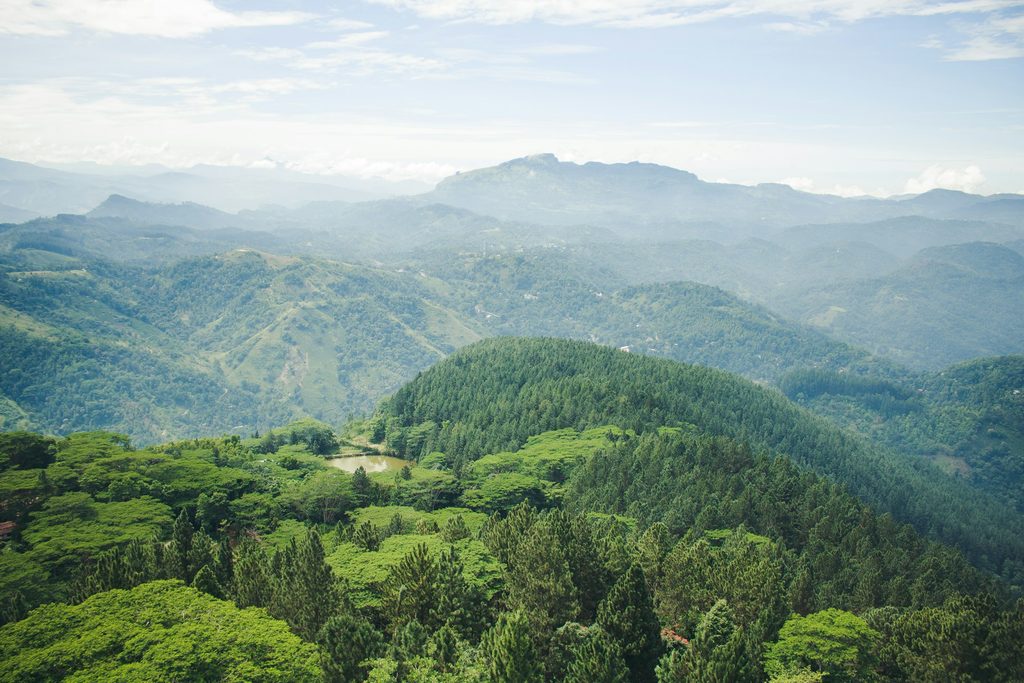
Yala National Park: The Open Plains Yala (particularly Block 1, which is the most visited sector) is defined by its dry, arid scrubland, dusty red dirt roads, and massive rocky outcrops. Because the vegetation is low and sparse, your line of sight stretches for hundreds of meters. This open terrain is exactly why spotting wildlife is so much easier here. A leopard resting on a granite boulder or walking across a dry plain can be easily spotted by your tracker from a long distance.
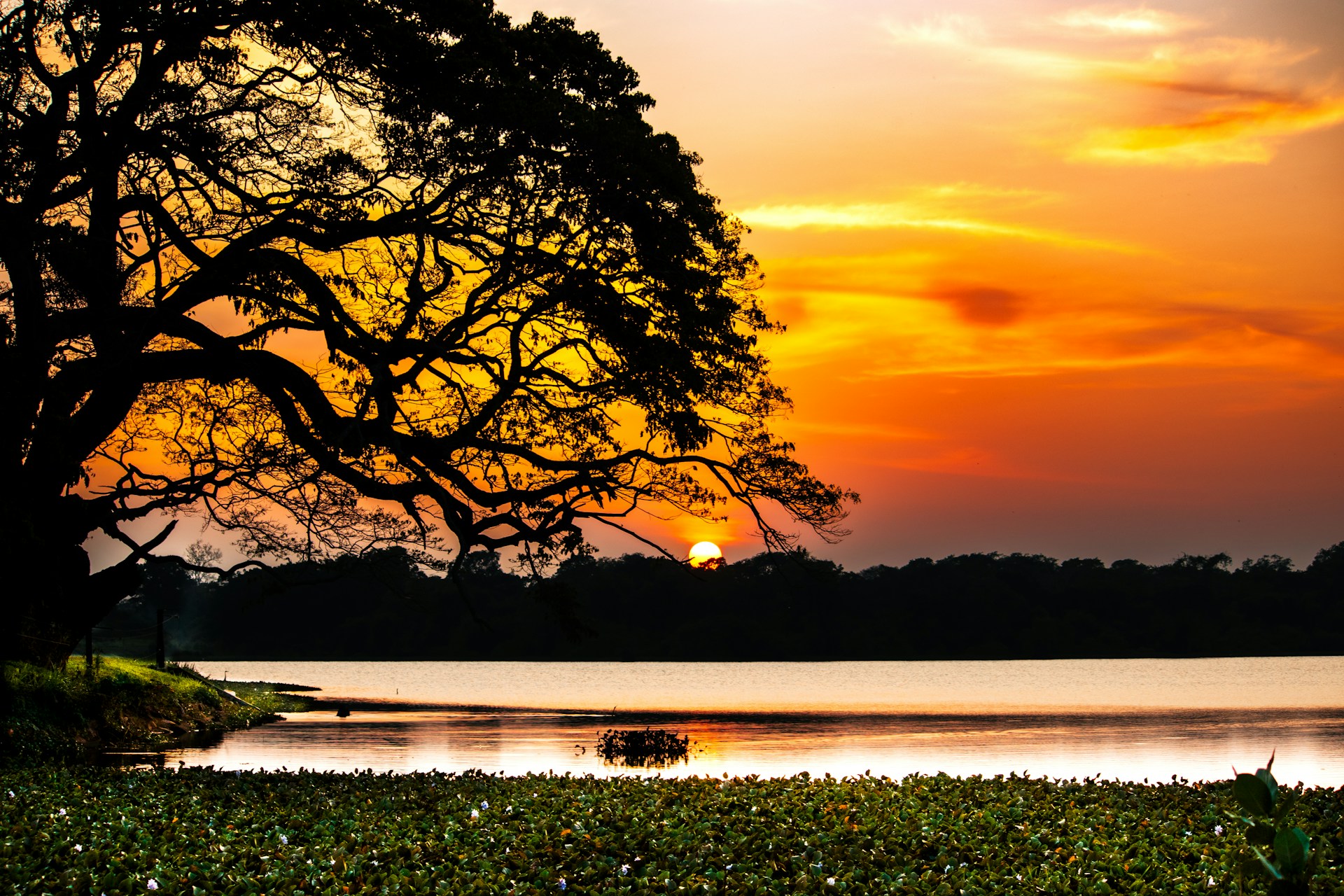
Wilpattu National Park: The Land of Lakes Wilpattu translates roughly to “Land of Lakes,” and it looks completely different from Yala. Covering 1,317 square kilometers, it is Sri Lanka’s largest national park. Instead of open scrub, Wilpattu is characterized by thick, towering forests and unique natural sand-rimmed water basins called villus.
Because the jungle is so dense, you generally cannot see wildlife from far away. Instead, a Wilpattu safari is a game of patience and stealth. You rely on listening for alarm calls from monkeys or waiting quietly by a villu for a leopard or bear to emerge from the treeline to drink. While the dense forest makes spotting harder, the dramatic backdrop of the lakes makes for absolutely stunning, National Geographic-worthy photography when the animals do appear.
The Wildlife Showdown: What Will You Actually See?
A safari is inherently unpredictable—you are entering wild habitats, not a zoo. However, understanding the ecosystems we covered earlier will give you a very clear idea of what you are most likely to encounter.
The Leopard Lottery
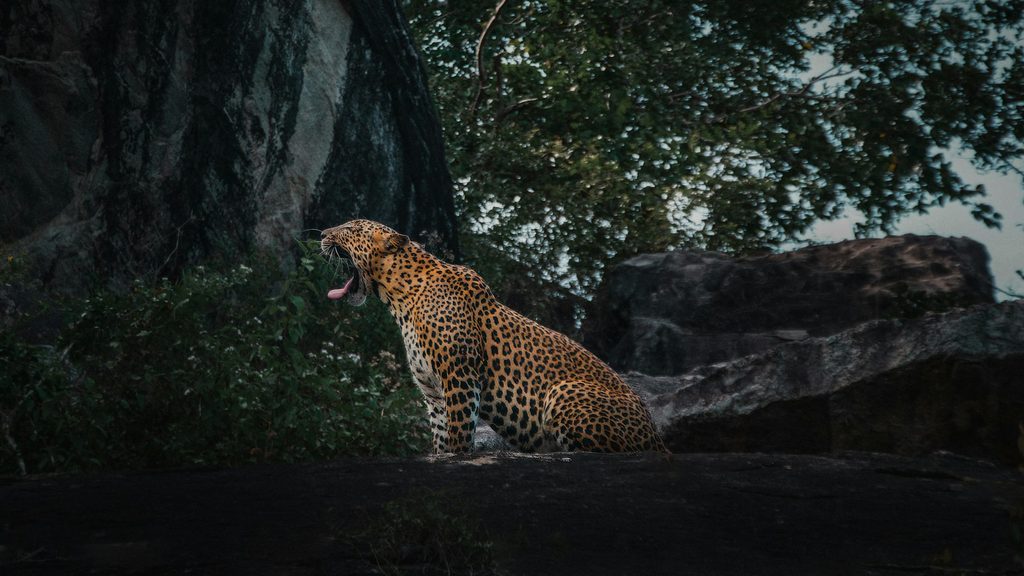
If your primary goal is to see a leopard, Yala is the undisputed champion. Block 1 of Yala holds one of the highest densities of leopards in the world. On a standard half-day safari here, your probability of a sighting hovers around 70%. Because they are accustomed to jeeps, Yala’s leopards often confidently stroll down the dirt tracks or lounge openly on sun-baked rocks.
Wilpattu, on the other hand, also has a healthy leopard population, but the dense forest makes them much harder to find. The sighting probability drops to around 40%. However, there is a massive trade-off: when you do spot a leopard in Wilpattu, you are often the only jeep there. You get to sit in total silence and watch the animal behave naturally, which many wildlife photographers argue is a far superior experience.
Elephants and the Elusive Sloth Bear
Both parks offer excellent chances to see Sri Lankan elephants. Yala has a reliable year-round population wandering through the scrub. In Wilpattu, the best elephant viewing happens during the dry season (May to September) when herds are forced out of the deep jungle to drink at the villus.
If you want to see the highly endangered Sri Lankan Sloth Bear, Wilpattu is widely considered the better option. If you time your transport and visit for May through July—during the sweet Palu fruit season—you have an excellent chance of spotting bears climbing the trees to feast.
A Paradise for Birders
Sri Lanka is a birdwatching hotspot. Yala borders the ocean, meaning its lagoons and coastal stretches are teeming with wading birds, painted storks, and occasionally flamingos. Wilpattu’s inland lakes attract a stunning array of eagles, kingfishers, and migratory waterfowl. You cannot go wrong with either park if you bring your binoculars.
The Crowd Factor: Action vs. Serenity
This is the most critical section of this guide. Your tolerance for other tourists should be the number one deciding factor in choosing your park.
The Yala Traffic Jam Let’s be completely honest: Yala is incredibly crowded. During the peak season (December to April), it is not uncommon for 300 to 400 jeeps to enter the park on a single day. Jeep drivers in Yala are interconnected by mobile phones. The moment one driver spots a leopard, they call the others, leading to a frantic rush of vehicles converging on a single dirt track. This can result in a stressful “jeep jam” with engines idling and tourists jockeying for a photo.
Local Tip: If you are heading to Yala, coordinating your transport early is vital. Make sure your cab service drops you at your Tissamaharama hotel the night before so you can be at the park gates by 5:30 AM to beat the worst of the rush.
The Wilpattu Peace Wilpattu is the absolute opposite of Yala when it comes to crowds. Because it is located further north and requires a slight detour from the standard southern tourist route, it sees a fraction of the visitors.
You can drive through Wilpattu for two hours and only pass three other jeeps. When you find an elephant bathing in a lake, or a crocodile sunning on a bank, it is often just you, your tracker, and the wild. For travelers seeking serenity, untouched nature, and an exclusive safari feel, Wilpattu wins easily.
Location and Itinerary Fit: Mapping Your Route
Sri Lanka is a surprisingly large island with winding roads, so travel times can take longer than Google Maps predicts. The park you choose should naturally fit the direction your trip is taking.
When to Choose Yala (The Southern Route) Yala is located in the deep south. It fits perfectly into the classic “Southern Circuit.” Most travelers start in Colombo, take the scenic train to the hill country (Nuwara Eliya or Ella), drop down to Yala for a safari, and then finish their trip relaxing on the southern beaches like Mirissa, Unawatuna, or Galle. If this is your route, Yala is incredibly convenient.
When to Choose Wilpattu (The Northern/Cultural Route) Wilpattu is situated in the northwest. It is the perfect addition if you are exploring the Cultural Triangle (Anuradhapura, Polonnaruwa, Sigiriya) or heading to the pristine beaches of the East Coast like Trincomalee. From the ancient city of Anuradhapura, Wilpattu is only about an hour’s drive away, making it an easy day trip.
The Best Time to Visit Each Park
Timing is everything on a safari. Because of Sri Lanka’s dual monsoon system, the weather varies wildly depending on which side of the island you are on.
- Best Time for Yala: The prime wildlife viewing window is from February to July. During these dry months, the water levels drop, forcing animals to come out of the bush to drink at the main waterholes. Crucial warning: Yala Block 1 almost always closes completely for a month in September or October to give the animals a break during the peak drought. Always check if the park is open before booking your autumn flights!
- Best Time for Wilpattu: Wilpattu is a great year-round destination, but May to September offers fantastic viewing. Because the park relies on the natural villus (lakes), the dry season concentrates the wildlife around these water sources, making leopards and bears much easier to spot.
Cost & Logistics (2026 Safari Prices)
Whether you choose Yala or Wilpattu, the pricing structure is essentially the same. You do not just buy a single ticket; a safari requires three separate payments:
- The Park Entrance Fee: Paid directly to the government wildlife department.
- The Jeep Hire: Paid to the private owner of the 4×4 safari vehicle.
- The Tip: A customary gratuity for your driver/tracker.
For a standard half-day safari in 2026, foreign adult entrance fees hover around $25 USD, plus a service charge and 18% VAT, bringing the ticket alone to roughly $35 to $40 USD per person. When you add in the cost of hiring a private jeep (usually around $40 to $50 USD per vehicle), expect to pay roughly $70 to $100+ USD per person for a private, half-day safari.
Final Verdict: Which One Should You Choose?
Still on the fence? Here is the easiest way to make your decision:
Choose Yala National Park if:
- Seeing a leopard is the absolute top priority of your trip.
- You are traveling along the southern coast or coming down from Ella.
- You don’t mind sharing the park with dozens of other jeeps.
- You only have time for a quick, action-packed half-day safari.
Choose Wilpattu National Park if:
- You want a quiet, exclusive wilderness experience without the crowds.
- You are exploring the north, Anuradhapura, or the Cultural Triangle.
- You are a wildlife photographer looking for natural, undisturbed animal behavior.
- You want a better chance of spotting the elusive Sloth Bear.
Whichever Park you choose, getting there safely and comfortably is the first step of the adventure. If you need reliable airport transfers or a trusted vehicle to take you across the island, our team at Yala Cabs is ready to help you plan the perfect route to your safari destination. Contact us today to arrange your ride!