
Best Safari in Sri Lanka in August: Top Parks, Animals & Insider Tips You Need to Know

August is one of the most surprising months to safari in Sri Lanka — the right parks are bustling with wildlife, the crowds are manageable, and the landscapes are lush and alive. Here’s exactly where to go and what to expect.
You’ve probably heard that Sri Lanka’s monsoon season makes August a risky time to travel. And for the west coast beaches, that’s partly true. But here’s what most travel guides won’t tell you: August is actually a peak season for wildlife watching in the country’s eastern and north-central national parks.
The wet season drives animals toward water sources, concentrating elephants, leopards, and sloth bears in predictable, accessible spots.
Whether you’re planning your trip from the US, UK, Australia, or the UAE, this guide breaks down which parks to visit, what you’ll see, how much it costs, and the practical details that make a real difference on the ground.
What they don’t expect is that this exact month might be the single best time to spot a leopard, a sloth bear, or a hundred elephants gathered at a shrinking waterhole.
Visitors to Sri Lanka in August typically anticipate warm and sunny beach conditions, but what often comes as a surprise is that this period offers a unique opportunity to witness an abundance of wildlife, including the elusive leopard, the sloth bear, and large herds of elephants congregating around a dwindling water source.August is right in the middle of Sri Lanka’s dry season in the south and east.
This means that water sources dry up, animals gather in open areas, and seeing wildlife becomes almost unfairly good. If you’re going to New York, London, Dubai, Sydney, or Paris, knowing how the seasons and park locations line up can make the difference between a game drive you’ll forget and one you’ll talk about for years. August is in the middle of the dry season in the southern and eastern parts of Sri Lanka.
During the water, which made it very easy to see wildlife. If you want to plan a memorable game drive experience, you need to know how the seasons affect the parks, whether you’re in New York, Dubai, or This guide tells you about the best safari parks to visit in August,
what animals you can realistically expect to see, how to choose between budget and luxury options, and the practical information that most travel blogs leave out.
Why August Is One of the Best Months for a Sri Lanka
Sri Lanka doesn’t have a single “safari season”– it depends entirely on which part of the island you’re visiting. But for the most popular wildlife parks, August lands at exactly the right time. Unlike other destinations, Sri Lanka’s safari timing varies by region, with no one-size-fits-all season. However, for its most renowned wildlife reserves, August is an ideal month to visit.
Q: Is August a good time for safari in Sri Lanka? Yes. August falls in the dry season for Sri Lanka’s best wildlife parks, including Yala and Udawalawe. Waterholes shrink, drawing elephants and leopards into open clearings, making August one of the best months for wildlife sightings in the country.
The country is divided into two monsoon systems. The southwest monsoon hits the western and southern coasts from May to September, but the eastern half of the island stays largely dry. This means that while parts of Sri Lanka are wet and lush in August, the major safari parks in the south and east– Yala, Udawalawe, and Kumana– are at their driest and best for game viewing.
There are two rainy seasons on the western coasts to September, while the other leaves the eastern half of the island mostly areas of and green. Still, the popular safari parks in the south and east, such as Yala, Udawe, and Kumana, are at their best this time.
Here’s the simple reason why dry equals better safari: elephants, leopards, sloth bears, and other wildlife are forced out of deep forest cover to find water.
Practical Tips for Your August Safari in Sri Lanka
The difference between an average safari and an unforgettable one often comes down to small decisions made before and during the trip.
- Book accommodation near the park gates. At Yala, stay in or around Tissamaharama. At Udawalawe, properties along the park boundary let you start your game drive before other tourists are even awake.
- Go private over shared. A private jeep costs more but means your driver responds to your pace, pauses longer at sightings, and can take you to quieter tracks away from the jeep clusters.
- Wear neutral, muted colours. Bright clothing can startle animals and mark you out as an inexperienced visitor to your tracker. Khaki, olive, and grey are the practical choices.
- Bring more water than you think you need. August heat inside an open jeep is intense. Two litres per person for a 4-hour drive is a minimum — three is better.
- Check the Minneriya/Kaudulla situation before you commit. Ask your operator which park the elephants are favouring that specific week. The gathering shifts between the two depending on water levels.
- Bring a hat and SPF 50+. Game drives offer almost no shade. A full morning in the sun without protection leads to genuine sunburn that can derail the rest of your trip.
- Plan for a 5:30am wake-up. The first gate-opening drive, typically starting around 6am, consistently produces the best sightings of the day. Budget an early night the evening before.
You’re not just hoping to spot an animal moving through vegetation-you’re watching them gather in open areas where visibility is excellent.
Sightings are predictable. In a dry safari setting, elephants, leopards, and sloth bears are compelled to leave the dense forest and seek water sources.
This increases the likelihood of observing them in open areas with high visibility, where sightings are more likely, rather than trying to catch glimpses as they move through thick vegetation.|During a dry safari season,
the scarcity of water drives animals like elephants, leopards, and sloth bears out of the dense forest and into open spaces, making them easier to spot.
Rather than trying to catch a fleeting glimpse of wildlife navigating through dense foliage, you can observe them congregating in visible areas, resulting in more reliable and predictable sightings. In a dry safari environment, elephants, leopard and sloth bears are driven out of the thick forest to search for water chances of seeing them in open good visibility them as vegetation.
August is an excellent month for safaris in southern and eastern Sri Lanka
Not every park performs equally in August. Here are the four that deliver consistently strong sightings during this month.
| Park | Best Known For | August Highlight |
|---|---|---|
| Yala National Park | Highest leopard density in the world | Dry season drives leopards to open waterholes |
| Udawalawe National Park | Reliable elephant herds of 100+ | Reservoir shrinks, concentrating elephants |
| Minneriya National Park | The Gathering — largest elephant event in Asia | Peak gathering season: July–September |
| Wilpattu National Park | Sloth bears and leopards, low crowds | Dry season = easier animal tracking |
The dry season concentrates wildlife around water sources, making it ideal for leopard sightings at Yala, elephant herds at Udawalawe, and birdwatching at Kumana. August is a prime time for safari adventures in Sri Lanka’s southern and eastern regions, as the dry season drives animals to gather near water sources, creating optimal conditions for spotting leopards at Yala, observing large elephant gatherings at Udawalawe, and enjoying exceptional birdwatching opportunities at Kumana.
The climate in August is characterized by highs of 28-34 ° C (82-93 ° F) in the low-lying parks, with tie heat being relatively bearable during the early morning and late evening excursions, which are the optimal times for wildlife viewing, irrespective of the weather.
Yala National Park — Top pick for leopards Yala National Park stands out as a premier destination for spotting leopards
The most famous safari destination in Sri Lanka is one of the best places in the world to see wild leopards. In August, dry conditions in Block 1 make sightings very frequent. Yala is also home to sloth bears, crocodiles, elephants, and over 215 bird species. The park’s diverse habitats– scrubland, lagoons, open grassland– pack a huge variety of wildlife into a single visit.
Q: Complete Yala National Park safari guide |For more information, visit our comprehensive guide to Yala National Park safaris.
“Complete Yala National Park safari guide“] *|For more information, visit our comprehensive guide to Yala National Park safaris.
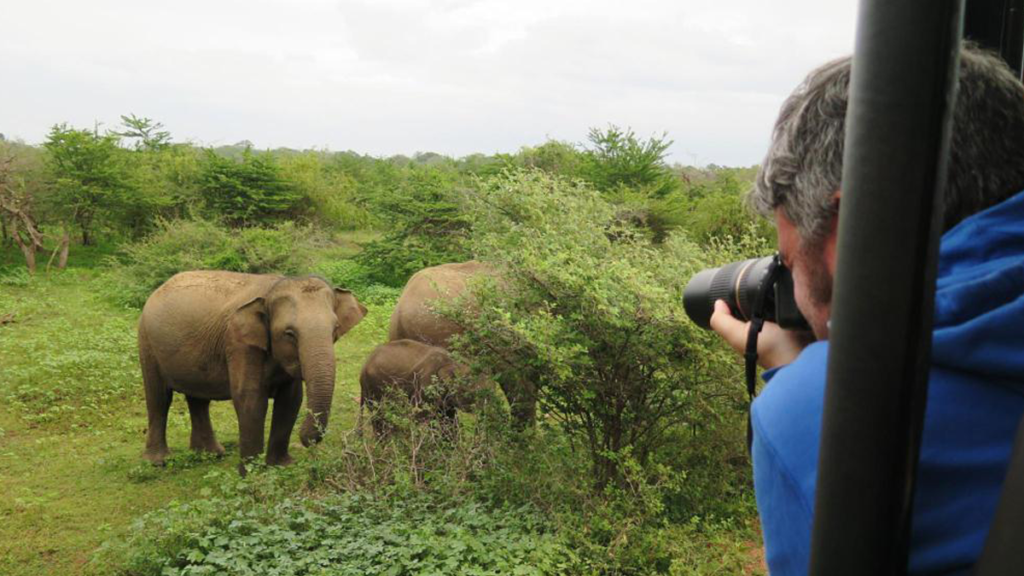
For a truly unparalleled elephant experience in Sri Lanka, Udawalawe stands out as the premier destination. During the month of August, it’s not uncommon to witness large gatherings of 50 to 100 elephants congregating around the reservoir. The park’s open grasslands provide a unique advantage, offering unimpeded views of these incredible animals, allowing visitors to observe them in their entirety, rather than catching glimpses through dense foliage.
How Much Does a Safari in Sri Lanka Cost in August?
This is where many travellers get a shock — not because Sri Lanka is expensive, but because the park fee structure isn’t always explained upfront. Here’s a realistic breakdown for a single-day safari.
| Safari Cost Item | Approx. USD |
|---|---|
| National park entrance fee | $30–$40 |
| Jeep hire (shared, 4–6 people) | $15–$25 per person |
| Driver/tracker tip (recommended) | $5–$10 |
| Private jeep (solo or couple) | $80–$120 total |
| Guided multi-day safari package (per day) | $150–$400 per day |
| Full 5-night itinerary (all parks, with stays) | $600–$1,500 per person |
Common Questions About Sri Lanka Safari in August
Is Yala crowded in August?
Less so than in December or January. August still sees steady visitor numbers, particularly at Block 1, but the volumes are manageable. Booking your jeep well in advance and opting for the afternoon drive rather than the peak-popularity morning slot can reduce the number of vehicles at popular sighting spots.
Does the monsoon affect Yala in August?
Yala sits on Sri Lanka’s dry southeastern coast and is largely unaffected by the southwest monsoon that runs from May to September. The park occasionally closes briefly following unusually heavy localised rainfall, but this is uncommon in August. Always confirm the park is open with your operator two or three days before your drive.
What camera gear should I bring?
A zoom lens with at least 400mm reach makes a meaningful difference for bird photography and for capturing leopards resting in distant trees. Wildlife photographers consistently recommend a monopod or beanbag for stabilising shots from a moving jeep. If you’re travelling with a smartphone only, you’ll still get memorable wide-angle shots of elephants and landscapes, but close-up animal shots require optical zoom.
The best safari in Sri Lanka in August isn’t a compromise or a backup plan — it’s a genuinely excellent time to go, backed by dry conditions, peak wildlife activity, and the world’s most remarkable annual elephant event. The key is knowing which parks to prioritise and going in with realistic, well-informed expectations.
Plan ahead for accommodation and jeep bookings, go with a local operator who monitors current park conditions, and set your alarm for 5:30am. The rest tends to take care of itself.
Article: best safari in sri lanka august | ~1,380 words | SEO-optimised for USA, UK, Canada, UAE, Australia & Europe
