

If it’s your first time planning a safari in Sri Lanka, you’re in for something genuinely special. This island doesn’t offer the endless savannahs you might picture from African documentaries—but that’s exactly its charm. Here, wildlife feels closer, more intimate. One moment you’re driving through dense jungle, the next you’re watching elephants quietly gather by a lake as the sun rises.
That said, choosing the right safari park can make or break your experience. Some parks are famous but crowded, others are peaceful but require patience. This guide will help you navigate it all—with honest advice, real observations, and practical tips to make your first safari unforgettable.
Why Sri Lanka Is Perfect for First-Time Safari Travelers
Sri Lanka is one of the easiest places in the world to experience a safari, especially if you’ve never done one before.
First, everything is relatively close. You don’t need to plan a complicated expedition—most parks are just a few hours apart, and you can combine a safari with beaches or cultural sites without stress.
Second, wildlife sightings are surprisingly frequent. Unlike larger countries where you might drive for hours, Sri Lanka offers a high chance of seeing animals like elephants even on a short half-day safari.
I still remember my first early morning drive in Minneriya National Park. There was mist rising off the grass, birds calling in the distance, and then suddenly—elephants. Not one or two, but dozens. It didn’t feel staged or rushed. Just quiet, raw nature.
Best Safari Parks in Sri Lanka for First-Time Visitors
Yala National Park – The Classic Safari Experience
If you’ve seen photos of Sri Lankan safaris, chances are they were taken in Yala. It’s the country’s most famous park—and for good reason.
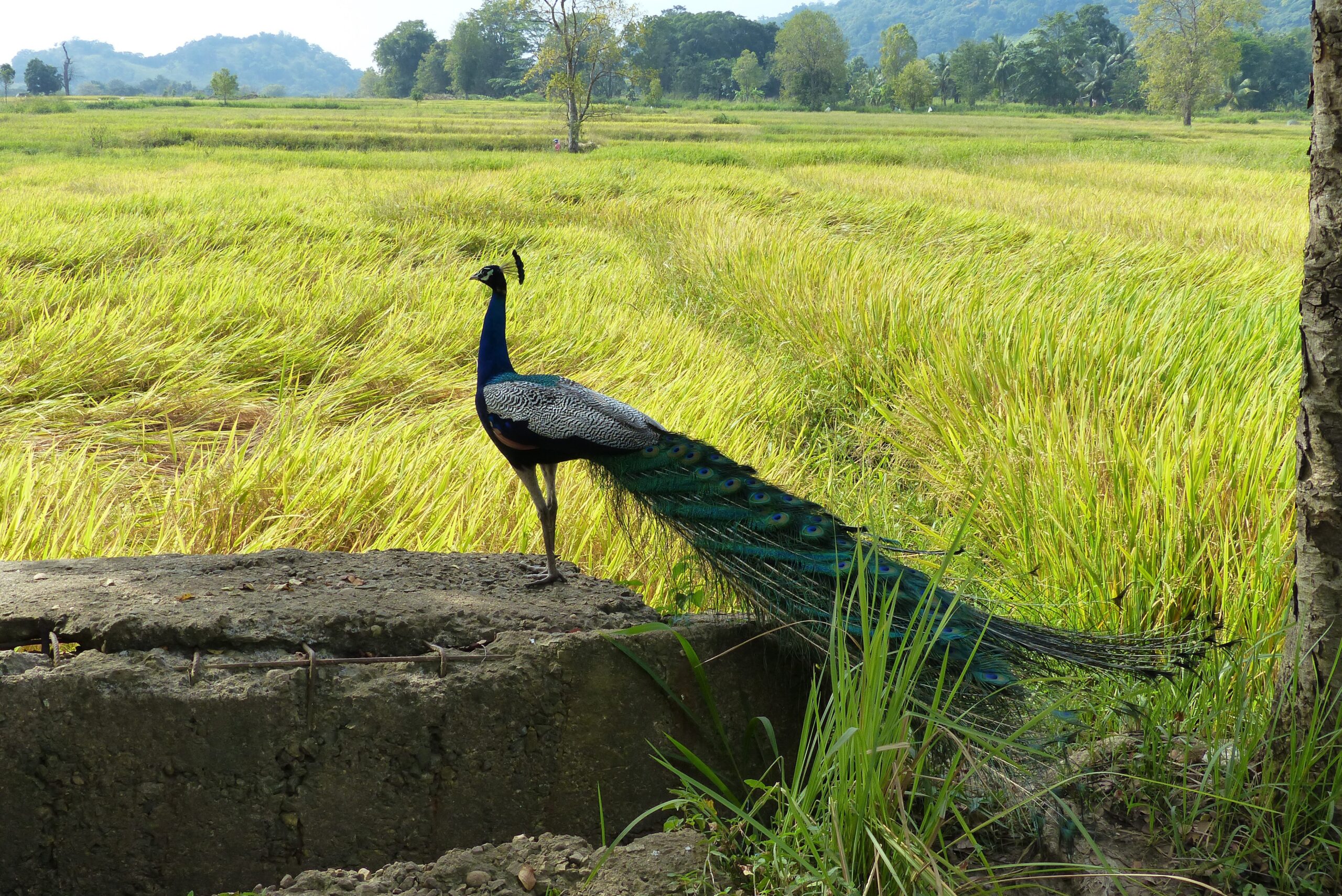
Yala is known for having one of the highest leopard densities in the world. That doesn’t mean you’re guaranteed to see one, but your chances are better here than anywhere else on the island. Alongside leopards, you’ll spot elephants, crocodiles, peacocks, and plenty of deer.
However, there’s a trade-off. Yala can get crowded. During peak season, it’s not unusual to see several jeeps gathered around a single animal sighting. Some people don’t mind this—it can feel exciting—but if you’re looking for solitude, it might not be ideal.
A simple tip that makes a huge difference: go early. The difference between entering the park at sunrise versus mid-morning is night and day. Early hours are quieter, cooler, and animals are far more active.
Best for: First-timers who want a high-energy, wildlife-rich safari with the best chance of spotting a leopard.
Udawalawe National Park – The Easiest and Most Rewarding Safari
If you’re nervous about not seeing animals, Udawalawe is the safest choice.
This park is famous for its elephant population, and sightings are incredibly consistent. It’s one of those rare places where you don’t have to rely on luck—you’ll almost certainly see elephants, often up close.
The landscape here is more open compared to Yala, which makes spotting animals easier. There’s something incredibly peaceful about watching elephants move slowly across the plains, especially near the reservoirs where they gather.
One of the most memorable moments for many visitors is seeing baby elephants staying close to their mothers. It’s simple, but surprisingly emotional.
Compared to Yala, Udawalawe feels calmer and less chaotic. There’s less pressure, fewer vehicles, and a more relaxed pace overall.
Best for: Families, beginners, and anyone who wants a stress-free, reliable safari experience.
Minneriya National Park – The Gathering of Elephants
Minneriya offers something you won’t easily find elsewhere in the world: “The Gathering.”
Between July and October, during the dry season, hundreds of elephants come together around the park’s reservoir. Seeing such a large number of elephants in one place is hard to describe—it’s not just impressive, it’s overwhelming in the best way.
Even outside this period, Minneriya is still worth visiting, but timing is everything. If you can align your trip with the Gathering, it becomes one of the most memorable wildlife experiences in Sri Lanka.
There’s a quiet beauty here too. Late afternoons, golden light, and elephants silhouetted against the water—it feels almost cinematic.
Best for: Travelers visiting during the dry season who want a unique, large-scale wildlife experience.
Wilpattu National Park – The Quiet Alternative
If Yala feels too busy, Wilpattu offers a completely different vibe.
This is Sri Lanka’s largest national park, known for its natural lakes called “villus.” The setting feels more untouched, and importantly, there are far fewer jeeps. You might go long stretches without seeing another vehicle, which adds to the sense of immersion.
The trade-off is patience. Wildlife is here—leopards included—but sightings are less predictable. You need to enjoy the journey, not just the destination.
Personally, many travelers who visit both Yala and Wilpattu end up appreciating Wilpattu more for its peaceful atmosphere. It feels less like a tourist attraction and more like genuine wilderness.
Best for: Nature lovers, photographers, and those who value quiet over guaranteed sightings.
Bundala National Park – A Hidden Gem for Bird Lovers
Bundala is often overlooked, but it offers something refreshingly different.
This park is a wetland ecosystem, making it ideal for birdwatching. Flamingos, migratory birds, and colorful species fill the skies and lagoons, especially during certain seasons.
If you’re expecting big predators, this isn’t the place. But if you enjoy slower, more scenic experiences, Bundala can be surprisingly rewarding.
It’s also a great option if you’re already visiting Yala, as it’s nearby and much quieter.
Best for: Bird enthusiasts and travelers looking for a relaxed, less crowded safari.
How to Choose the Right Safari Park
Choosing the right park depends on what you want—not just what’s popular.
- If you want guaranteed elephants, go to Udawalawe
- If you’re hoping for leopards, choose Yala
- If you prefer peace and fewer crowds, pick Wilpattu
- If you’re visiting between July and October, don’t miss Minneriya
A simple and effective plan for first-timers is combining two parks. For example, starting with Udawalawe gives you immediate, rewarding sightings, while adding Yala introduces more variety and excitement.
Best Time to Visit Safari Parks in Sri Lanka
Timing plays a big role in your safari experience.
The dry season (May to September) is generally the best for wildlife viewing. Animals gather around water sources, making them easier to spot.
The wet season (October to January) brings lush landscapes, but animals can be harder to find due to thicker vegetation.
Regardless of the season, one rule always holds true: early morning safaris are better. Animals are more active, temperatures are cooler, and the atmosphere is far more enjoyable.
Safari Tips for First-Time Visitors
A few small decisions can greatly improve your experience.
Choose a smaller jeep if possible—it offers better visibility and feels less crowded. Always aim for an early morning start, even if it means waking up before sunrise.
Bring essentials like sunscreen, water, and binoculars. And wear neutral-colored clothing to blend into the environment.
One local tip that many travelers overlook: experienced drivers make a huge difference. They communicate with each other and know animal behavior patterns, which increases your chances of sightings.
Common Mistakes to Avoid
One of the biggest mistakes is choosing a park that doesn’t match your expectations. For example, going to Udawalawe expecting leopards will likely lead to disappointment.
Another common issue is timing. Midday safaris are usually less rewarding due to heat and reduced animal activity.
Finally, it’s important to adjust expectations. Safaris aren’t constant action. There will be quiet moments—and those are part of the experience. Sometimes the anticipation is what makes the sightings more meaningful.
Suggested 5-Day Safari Itinerary for Beginners
A simple, balanced itinerary can make your first safari trip much smoother.
Start with two days in Udawalawe to ease into the experience with consistent elephant sightings. Then move on to Yala for two days to explore more diverse wildlife and increase your chances of spotting a leopard.
On your final day, you can either relax or visit Bundala for a lighter, scenic safari.
This combination offers variety without feeling rushed, and it gives you a well-rounded introduction to Sri Lanka’s wildlife.
FAQ – Safari Parks in Sri Lanka
Which safari park is best for first-time visitors?
Udawalawe is often the easiest and most reliable, especially for elephant sightings. Yala is better if you’re hoping to see leopards.
Is Yala too crowded?
It can be, especially during peak seasons. Visiting early in the morning helps avoid the busiest times.
How many parks should I visit?
For a first trip, one or two parks are enough. Trying to visit too many can feel rushed.
Are safaris in Sri Lanka safe?
Yes, as long as you follow your guide’s instructions. Drivers are experienced and know how to handle wildlife encounters.
What animals will I see?
Elephants are very common. You’ll also likely see deer, buffalo, crocodiles, and birds. Leopards are possible in Yala but not guaranteed.
Do I need to book in advance?
It’s recommended during peak seasons, but many hotels can arrange safaris even on short notice.
Final Thoughts
Your first safari in Sri Lanka probably won’t be perfect—and that’s part of what makes it memorable.
There will be quiet drives where you see very little. And then, out of nowhere, a moment happens—a herd of elephants crossing your path, a crocodile resting by the water, or if you’re lucky, a leopard appearing just long enough to leave you speechless.
Those moments stay with you.
Choose the right park for your expectations, go in with a bit of patience, and you’ll leave with more than just photos—you’ll leave with stories you’ll keep telling long after the trip ends.

